Shopfest may earn a commission from eligible purchases through our ShopMy links. Commission eligibility and rates depend on the retailer; a working tracked link does not guarantee commission. Read our disclosure.
A Shopfest styling interpretation, with inspired alternatives. Product cards identify the exact pieces offered here; similar colors and silhouettes do not establish a match to an inspiration image.
Editorial styling guide using existing Shopfest catalog records, retailer product photography and the cited product pages. Shopfest has not worn or independently tested these items. Product cards and comparison prices are catalog snapshots, not a claim of today’s checkout price or stock. Check the selected color, current price, measurements, care and returns before buying.
Selected for the outfit formulas in this edit, with retailer sources listed below. These are styling recommendations, not a sales or popularity ranking.
Recreate the layering idea, not an unidentified SKU
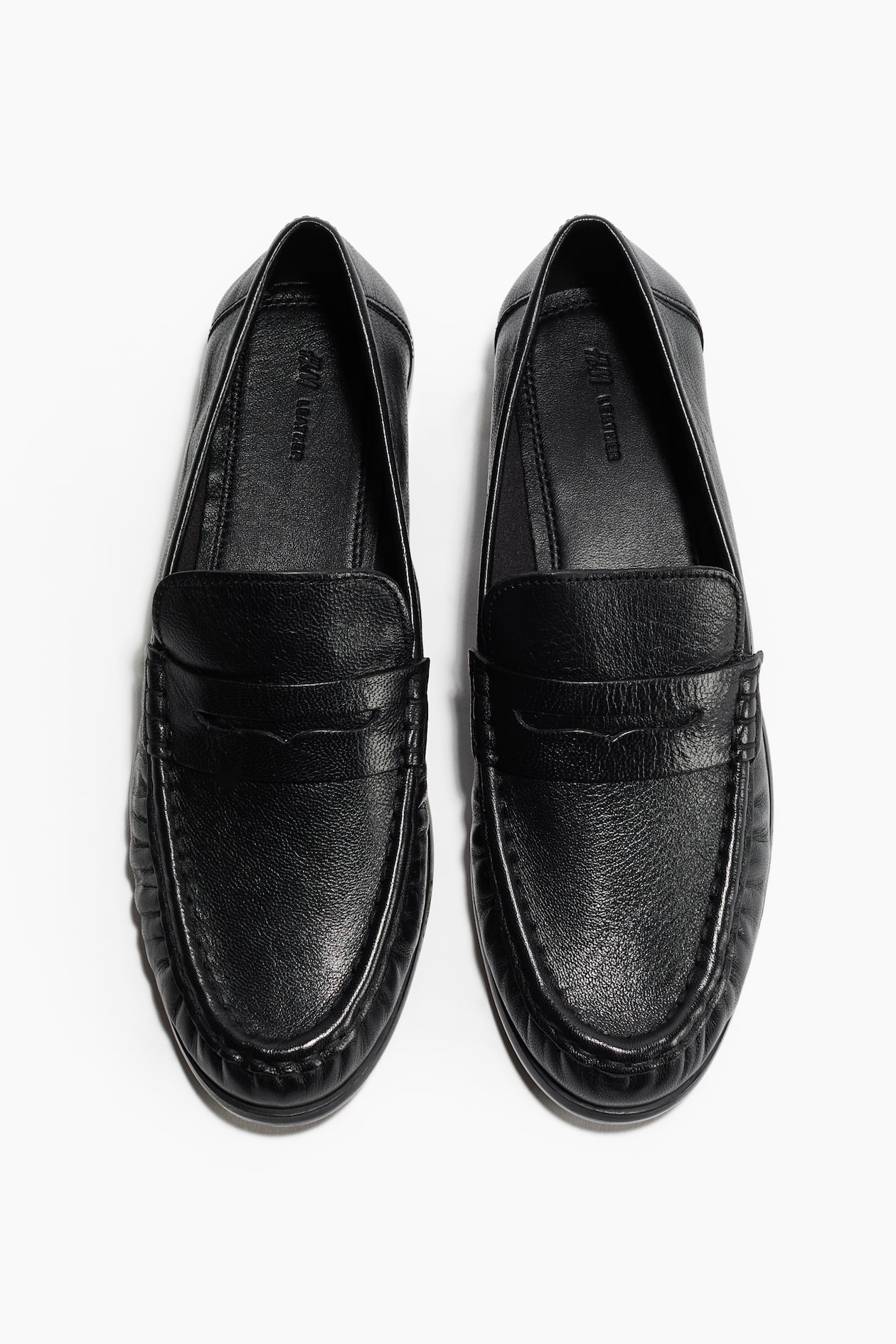
A classic layered workwear outfit uses a pale V neck, a blue shirt, cuffed denim and brown loafers. Our oatmeal option has a crew neckline, while the Everlane navy sweater offers a V neck. The TOTEME shirt supplies a blue and white stripe; the Everlane Oxford offers a black and white alternative. These are deliberately different choices, not claims that either shirt appears in an inspiration image. Decide whether the pale palette or the open neckline matters more to you.
A collar needs space
Layering two garments changes the fit at the shoulder, upper arm and cuff. Measure the sweater over the shirt you intend to use, especially if the shirt has a generous sleeve. Pulling the hem into view can help show the layers, but a shirt that hangs much farther below a short knit may feel visually busy. Try the combination before removing tags. The most useful layer is one you can sit, reach and work in comfortably.
Denim belongs to some offices, not all
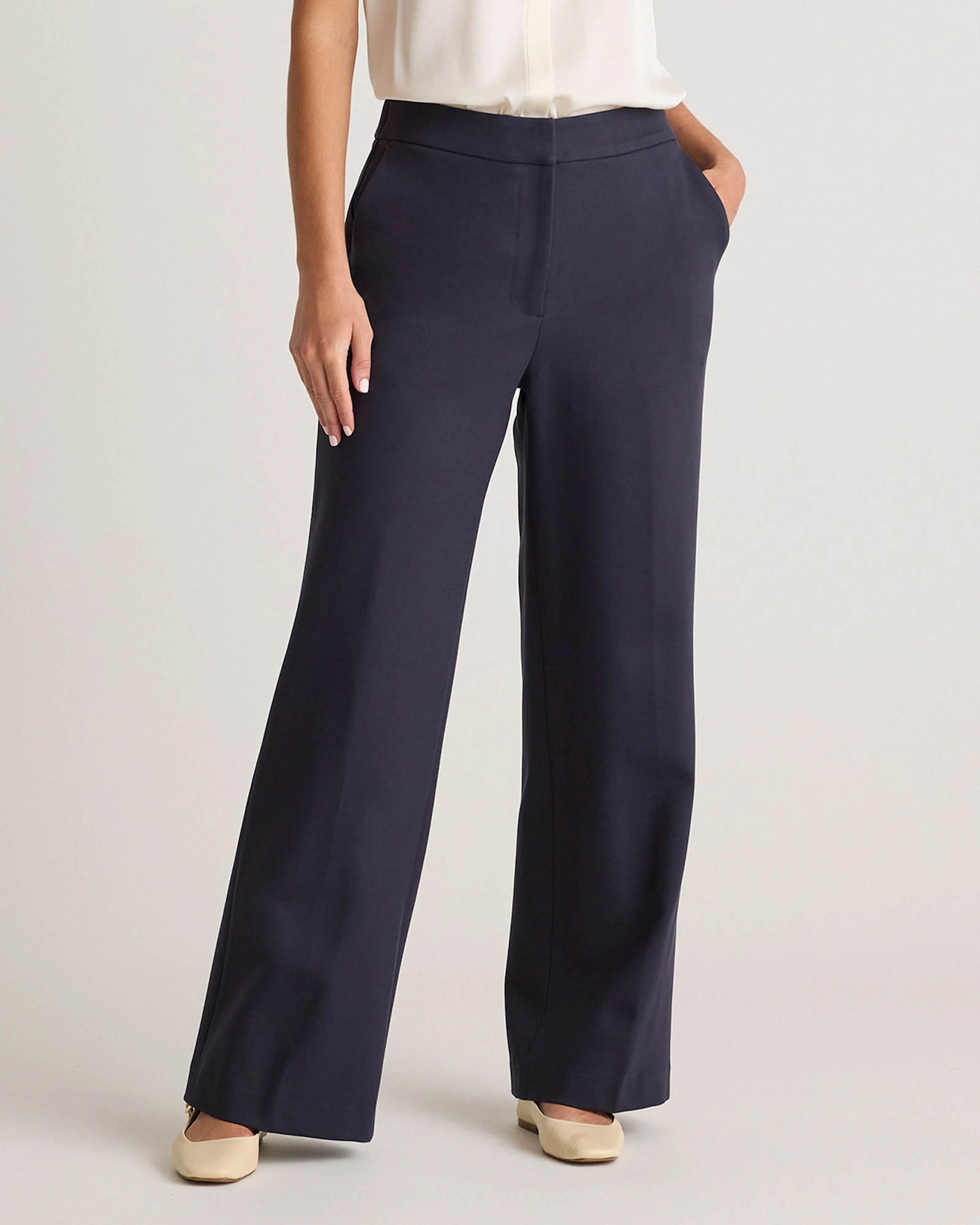
Straight jeans and loafers suit a relaxed dress code. Navy trousers offer a different base for a more formal day, though they do not turn an informal knit into business tailoring. Use your workplace requirements as the starting point. If you cuff denim, check both legs while standing in the actual shoes. A bulky cuff can catch the eye more than the shirt collar, and it changes when you switch between loafers and a higher shoe.
Compare the function of the bags
The compact suede crossbody adds a warm brown finish but has a different use case from a work tote. Do not assume it fits a laptop or work documents. The Cuyana option is included for readers who need more space; confirm dimensions and closure against your own equipment. The designer shirt is the largest optional upgrade in the base outfit. Choose it for its own cut and fabric details, not because it appears beside a similar outfit online.
THE SIDE-BY-SIDE
The details that change the decision.
USD prices are snapshots from the cited product listings. Check the exact shade, size, current price, stock, shipping, and return terms at the retailer.
Product choices, recorded prices, advantages, and tradeoffs
Tote format offers a different use case from mini bags
Tan adds warmth to grey and navy outfits
Confirm interior dimensions against your own equipment
A larger bag changes the proportions of a small outfit
THE SHOPFEST DECISION
What we would choose—and why.
Start with the shirt you own and test sleeve room beneath your knit. Choose the navy V neck when the neckline is your priority, or oatmeal when you want a softer palette. Buy a work bag only after measuring the items it needs to hold.
MORE WAYS TO BUILD THE LOOK
New pieces for this formula.
Additional Shopfest selections to explore alongside this edit. These are alternatives, not part of the original outfit combinations above.
Shopfest may earn a commission from eligible purchases through our links. How shopping links work
Sources & accountability10 sources
The evidence behind the edit.
Sources include retailer specifications, dated editorial coverage, and public discussions where available. Community posts describe individual experiences. They do not establish universal results or an internet-wide popularity ranking.
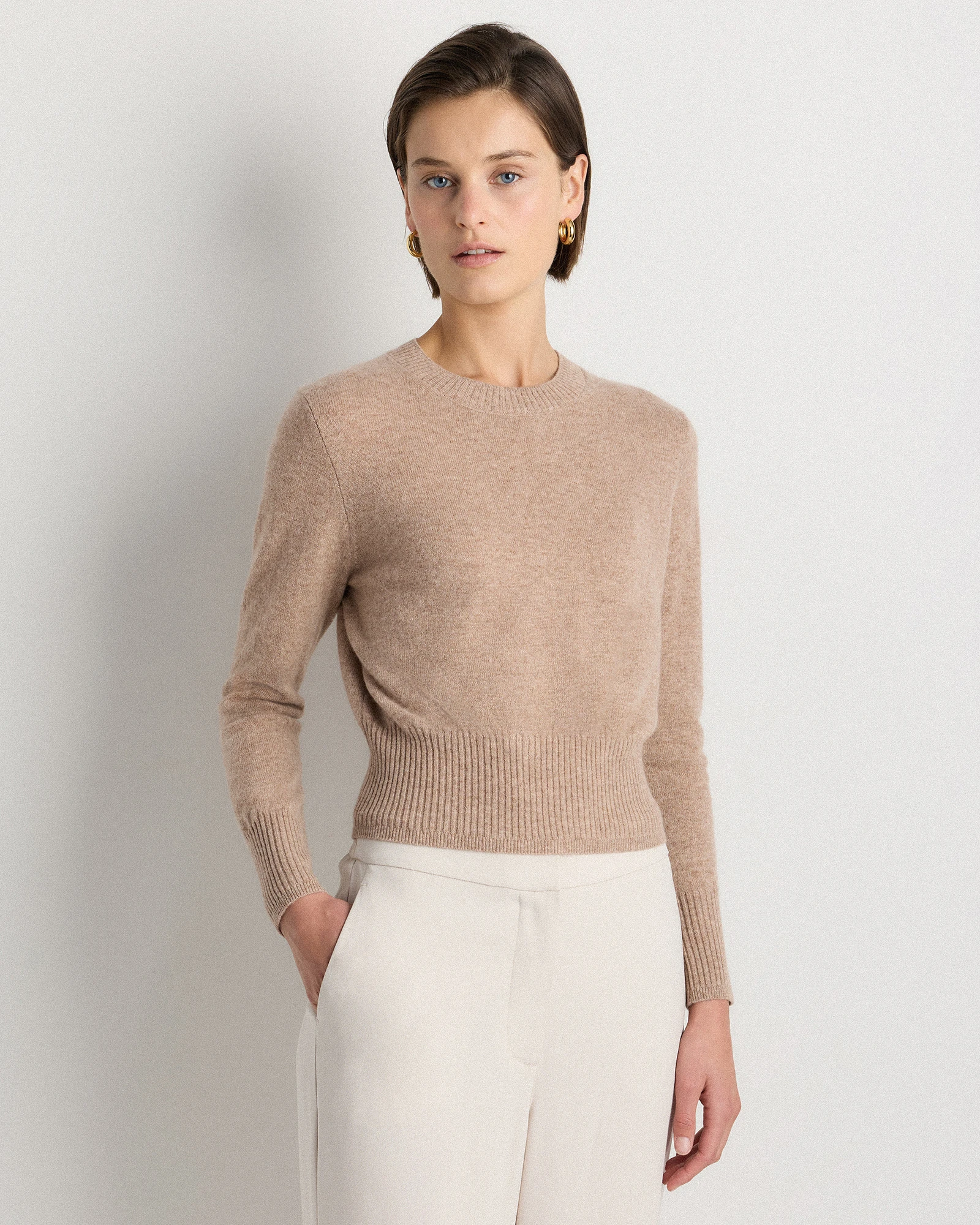 Quince100% Mongolian Cashmere Shrunken Crewneck Sweater
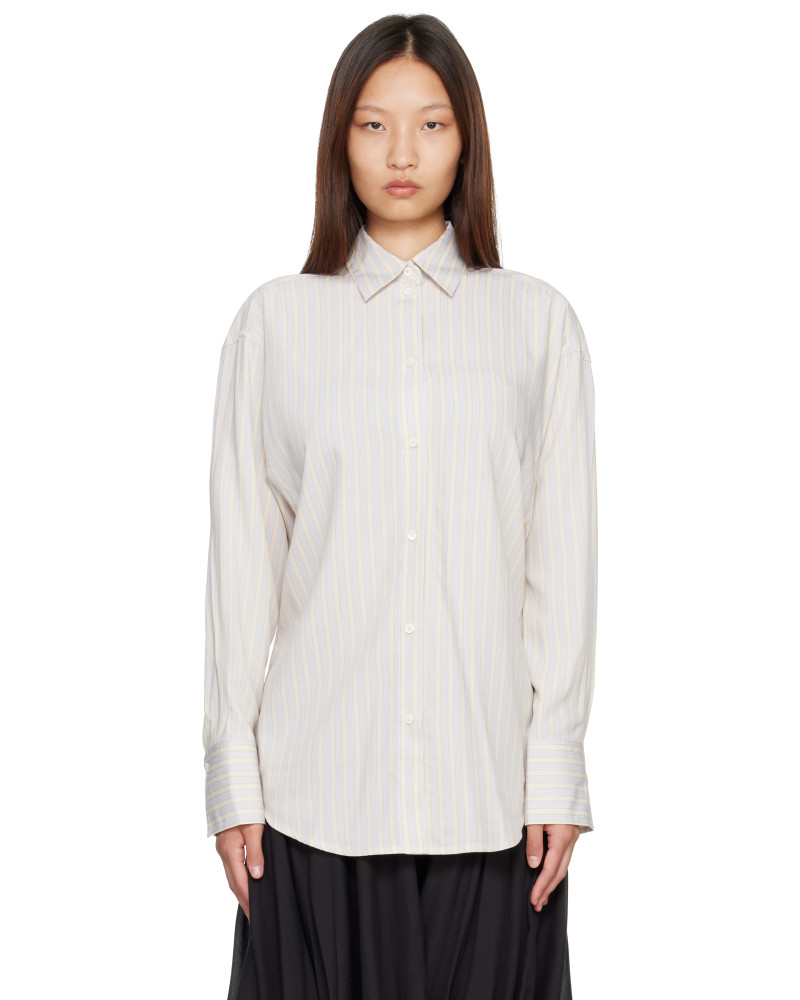 TOTEMEOff-White & Blue Oversized Striped Shirt
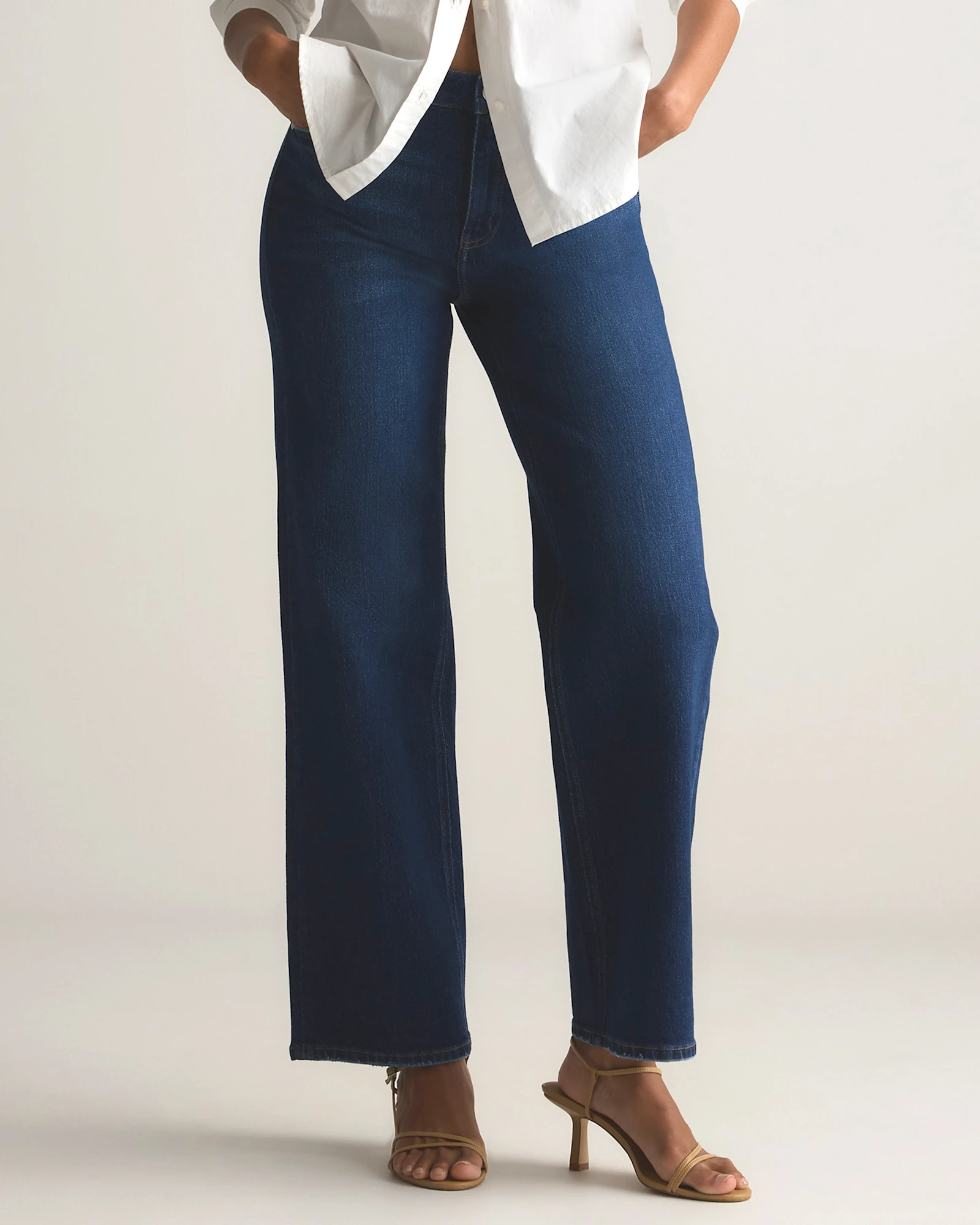 QuinceBella Stretch Relaxed Straight Jeans
 Jenni KayneVale Leather Loafers - Chocolate
 DeMellierThe Florence Crossbody — One Size / mocha suede